
Emotional Regulation and Behaviour in Early Years Children
28th Apr 2026
Emotional Regulation and Behaviour in Early Years Children
Emotional regulation is the ability to recognise, understand, and manage feeling...

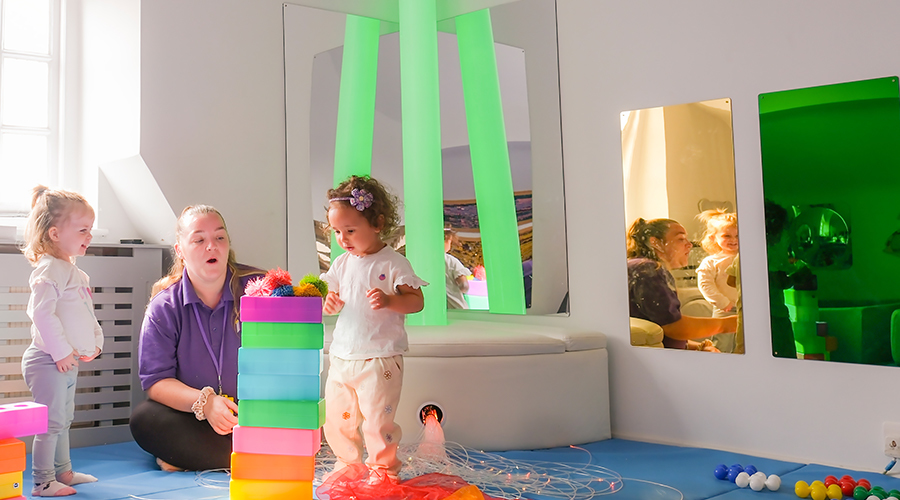
Inclusion means ensuring every child is welcomed, valued, and supported to take part fully in nursery life. SEND stands for Special Educational Needs and Disabilities, and in early years settings this may include communication delays, autism, ADHD, sensory needs, physical disabilities, or broader developmental differences.
All children develop at their own pace. Some simply need additional or different support to help them thrive. Inclusion is about removing barriers so every child can learn, play, and feel they belong.
Children with additional needs are all different, but you may notice:
These signs do not automatically mean a diagnosis, but they may indicate a need for extra support or further assessment.
Early identification and support can make a significant difference. The early years are a key time for brain development and learning foundations.
Supporting SEND early can help children:
The goal is not to label children, but to understand how best to support their development.
High-quality nurseries create inclusive environments where all children can succeed. This often includes:
Inclusion means adapting the environment and approach to the child, not expecting the child to fit a fixed system.
Consistency between home and nursery is key. Helpful strategies include:
Progress may look different for every child — and that is completely normal.
Strong communication between parents and nursery staff ensures the best outcomes. This may involve regular discussions with the key person or SENCO, shared strategies, and where needed, referrals for additional support or assessments.
Working together ensures children receive consistent, supportive approaches across both environments.
Every child deserves to feel included, understood, and supported. SEND is not a limitation — it simply means a child may need a different pathway to reach their potential.
With the right support, strong relationships, and a shared approach between home and nursery, children with SEND can thrive, grow in confidence, and enjoy their early learning journey.



We invite you to visit our nursery and see for yourself what sets us apart. Book a visit to learn more about how we can support your child's growth and development.
Opening Hours: Monday to Friday 7:30am to 6:30pm