Inclusion and Supporting Children with SEND
19th May 2026
Inclusion and Supporting Children with SEND in the Early Years
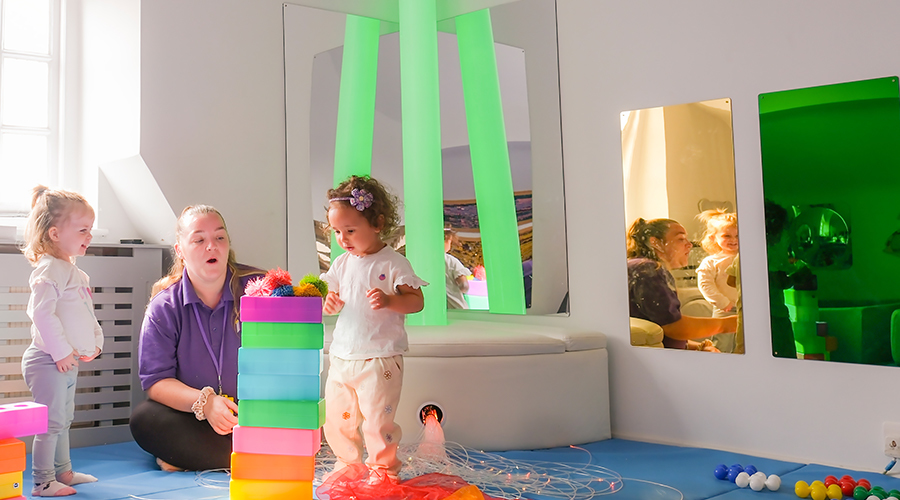
Inclusion means ensuring every child is welcomed, valued, and supported to t...


Safeguarding is everyone’s responsibility. In early years settings, safeguarding means protecting children from harm, promoting their welfare, and ensuring they grow up in a safe, secure, and supportive environment.
Children have the right to feel safe, respected, and cared for. Nurseries and early years providers play a vital role in creating environments where children can learn, develop, and thrive while being protected from harm.
Safeguarding covers a wide range of responsibilities, including:
Safeguarding is not just about responding to serious concerns. It is about creating a culture where children's safety and wellbeing are at the heart of everything we do.
Children may not always be able to tell adults when something is wrong. Nursery staff are trained to observe and respond to concerns that may indicate a child needs additional support.
Possible signs may include:
It is important to remember that one sign alone does not necessarily indicate a safeguarding issue, but concerns should always be taken seriously and recorded appropriately.
Early years settings have a range of measures in place to safeguard children, including:
These measures help create a safe and nurturing environment for all children.
Parents and carers play an important role in safeguarding too. Helpful ways to support your child's safety include:
Working together helps ensure children receive consistent care and support.
Strong partnerships between families and nursery staff are essential for effective safeguarding. Open communication, trust, and shared responsibility help ensure concerns are identified early and children receive the support they need.
Where necessary, nurseries may work with external agencies and professionals to protect and support children and their families.
Safeguarding is at the heart of high-quality early years practice. By creating safe environments, building trusting relationships, and working closely with families, nurseries help children feel secure, valued, and protected.
When children feel safe, they are better able to learn, develop confidence, build relationships, and enjoy their early years journey.



We invite you to visit our nursery and see for yourself what sets us apart. Book a visit to learn more about how we can support your child's growth and development.
Opening Hours: Monday to Friday 7:30am to 6:30pm