Impact of Screen Time on Early Development
18th Jun 2026
Impact of Screen Time on Early Development
Screen time is an increasingly common part of modern childhood. In early years settings, it is i...

School Readiness in Early Years
School readiness is a key focus in early childhood, helping children develop the confidence, independence, and foundational skills needed for starting school. In early years settings, it is important to understand that readiness is not about formal academic achievement, but about emotional, social, and practical development that supports learning and wellbeing.
Children in their early years are rapidly developing communication skills, emotional awareness, independence, and physical coordination. School readiness grows through everyday experiences, play, and consistent support from both parents and early years practitioners.
What School Readiness Means in Early Childhood
School readiness refers to a broad set of skills that help children adapt to school life, including:
Communication and language skills
Emotional regulation and resilience
Independence in daily routines
Social skills such as sharing and turn-taking
Listening and attention skills
Physical coordination and motor development
Early literacy and numeracy awareness
These foundations allow children to engage confidently in structured learning experiences.
School readiness is not about children being able to read or write fluently before starting school. Instead, it is about building curiosity, confidence, and the ability to learn through interaction, play, and routine.
In early childhood, real-world experiences, relationships, and play remain the most important drivers of development.
Recognising Developing School Readiness Skills
Young children may show early signs of school readiness when they:
Separate from caregivers with growing confidence
Follow simple instructions
Show interest in stories, books, and songs
Engage in cooperative play with others
Begin managing self-care tasks such as handwashing
Demonstrate curiosity and willingness to try new activities
These skills develop gradually and should be viewed in the context of each child’s individual progress.
How Early Years Settings Support School Readiness
High-quality early years environments support school readiness by offering structured, play-based learning experiences. This may include:
Encouraging communication through storytelling and conversation
Supporting independence in daily routines
Developing social skills through group play
Introducing early phonics and number concepts through play
Building attention and listening skills through short activities
Supporting physical development through movement and outdoor play
Settings such as Kids Kingdom focus on creating balanced environments that prepare children for the expectations of school in a nurturing way.
How Parents Can Support School Readiness at Home
Parents and carers play a vital role in supporting school readiness. Helpful approaches include:
Encouraging independence in dressing, eating, and toileting
Reading together daily to build language and attention skills
Practising listening skills through simple instructions and games
Supporting opportunities for social interaction with other children
Maintaining consistent routines for sleep and mealtimes
Encouraging curiosity through conversation and everyday experiences
Consistency between home and early years settings helps children feel secure and confident.
Emotional Readiness in Early Childhood
Emotional readiness is one of the most important aspects of starting school. Children need to feel secure, confident, and able to manage separation, frustration, and small challenges. These skills are developed through reassurance, predictable routines, and supportive relationships.
Early years practitioners and parents work together to help children build resilience and emotional confidence over time.
Working in Partnership
Strong communication between parents and early years settings ensures a consistent approach to school readiness. Sharing observations, routines, and progress helps support each child’s development effectively across both environments.
Where needed, early years practitioners may offer guidance to help families support their child’s transition to school.
Final Thoughts
School readiness is about much more than academic ability. It is about helping children develop the confidence, independence, and emotional security needed for the next stage of learning.
By working together, parents and early years settings can ensure children start school with strong foundations that support lifelong learning, wellbeing, and success.
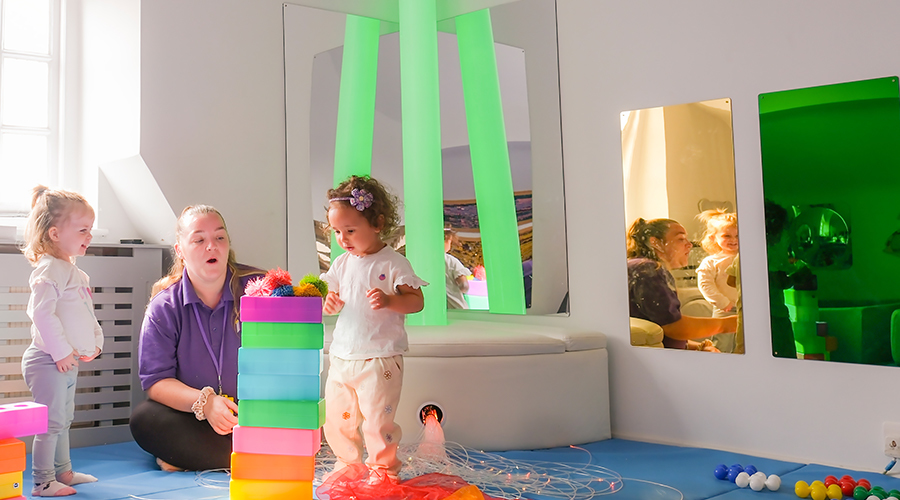

We invite you to visit our nursery and see for yourself what sets us apart. Book a visit to learn more about how we can support your child's growth and development.
Opening Hours: Monday to Friday 7:30am to 6:30pm